

What Canada is building, and who's about to buy.
Projects, funding and market changes across Western Canada, the rest of the country and the markets we export to, with what each one could mean for you.
Four flights a week from Abu Dhabi: Calgary’s new nonstop changes who can reach Alberta
Etihad Airways launched a four-times-weekly Calgary–Abu Dhabi nonstop on 25 October 2026, the only direct Western Canada–Middle East service.
Oil & Gas Services

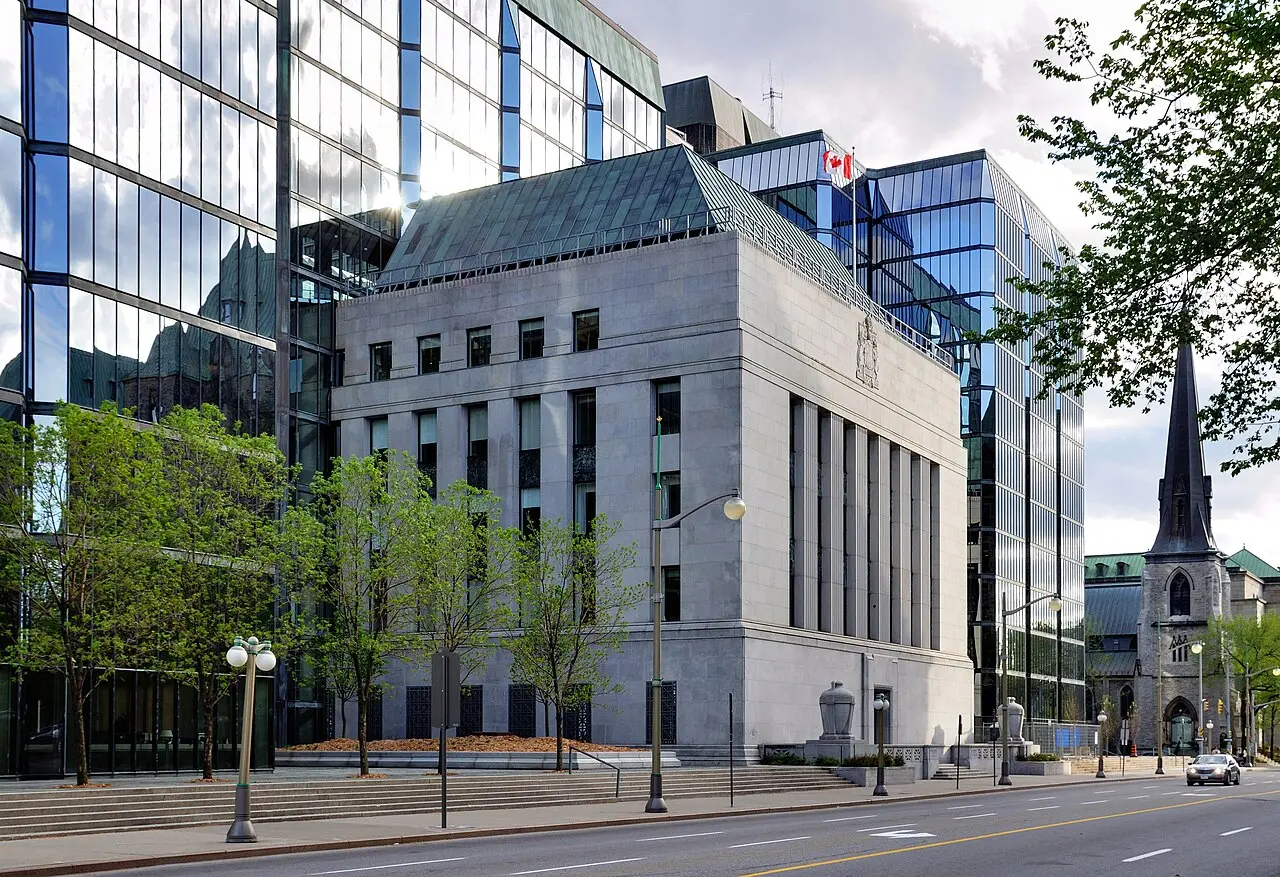
Put a fuel surcharge in every quote: diesel hit $2.68 a litre, up from $1.50 last year
Natural Resources Canada put the national average diesel price at $2.68 a litre last week, against $1.50 a year earlier, with fuel surcharges now 45 per cent of truck freight costs.
Threat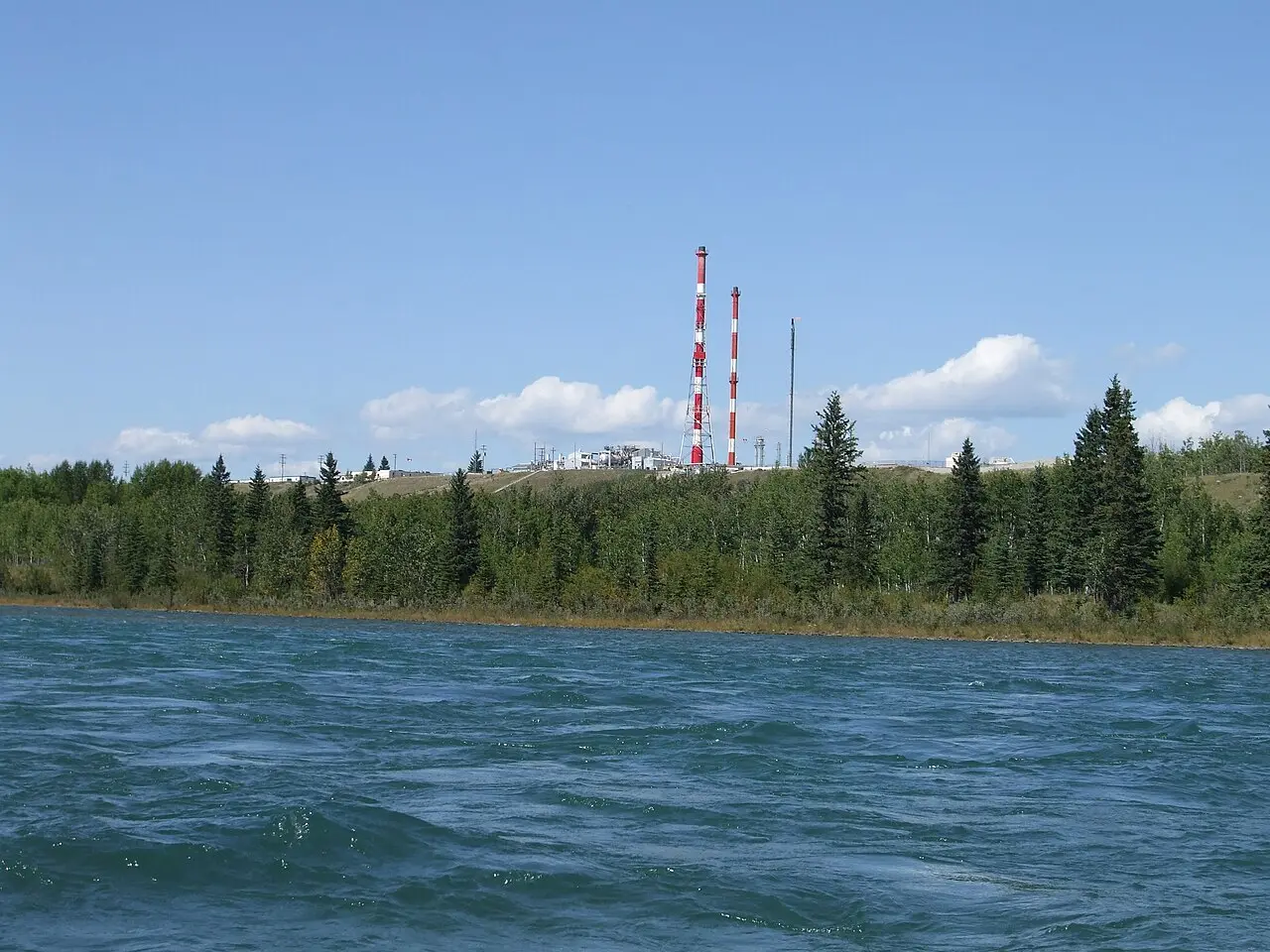
Hiring, not sales, will cap your 2027 growth as 72,000 energy jobs open up
Careers in Energy's 2026 Labour Market Outlook projects more than 72,000 energy job vacancies starting in 2027.
ThreatStart 2027 capacity talks now: seismic spending jumped from $3.4M to $17.3M in one quarter
Pulse Seismic reported Q3 2026 revenue of $17.3 million, up from $3.4 million a year earlier.
StrengthIf your sales plan leans on federal program money, Nov. 5 is your answer date
The federal budget comes down November 5, and the Parliamentary Budget Officer says deficits are deepening and the oil windfall is gone.
ThreatManufacturing & Industrial

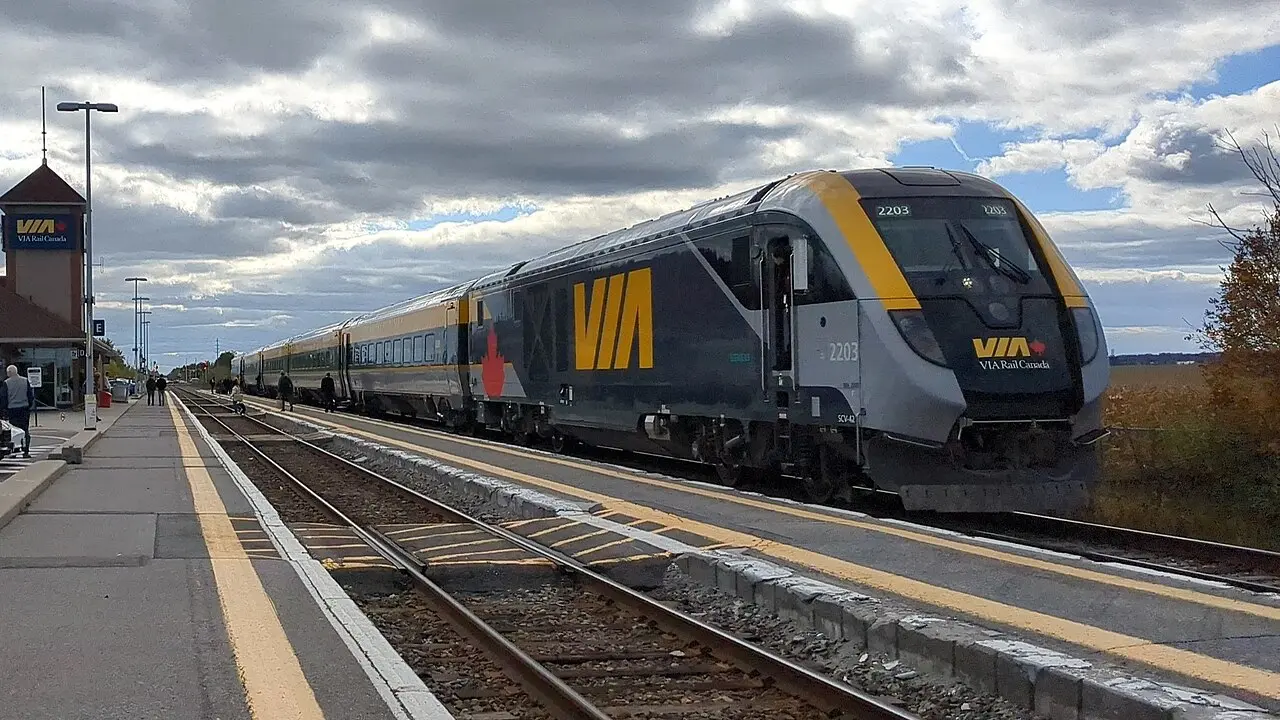
Keep your crew instead of cutting it: Ottawa will pay $1,000 per worker to retrain through March 2028
Ottawa launched the Workforce Retention and Retraining Program on October 22, 2026, offering up to $1,000 per employee in training support and up to 152 weeks of reduced-hours income top-ups, open until March 2028.
Opportunity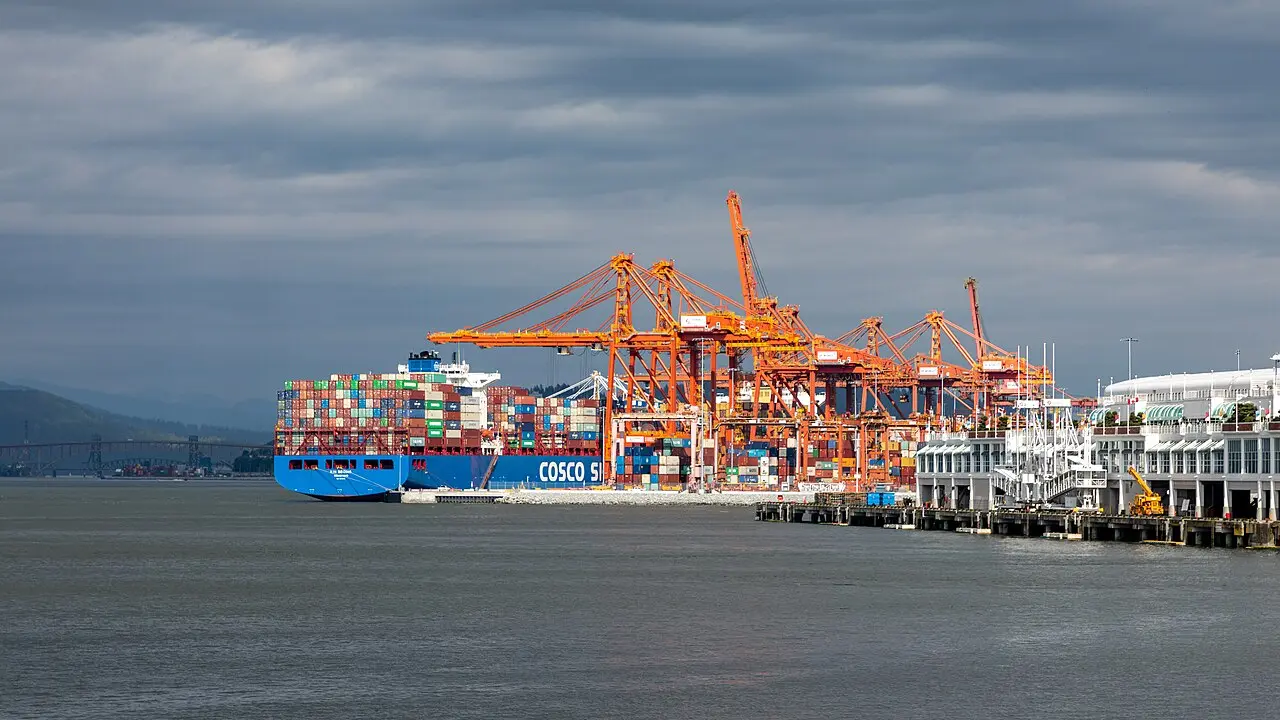
Exporters get a second Atlantic route as Ottawa puts $254M into Port Saint John
Ottawa committed up to $254 million on October 21, 2026 to expand Port Saint John toward 1 million containers a year, with 103 km of rail upgrades and deeper harbour access.
Opportunity
Put Canadian content front and centre: $5.2B steel fund and Buy Canadian rules reward it
Ottawa and Ontario announced $8.7 billion on October 21, 2026, including a $5.2 billion Joint Steel Action Fund and Buy Canadian steel preferences in public purchasing.
OpportunitySell Canadian steel content now: domestic share hit 51% and Buy Canadian is funding the work
Canadian-made steel supplied 51 per cent of steel used in Canada in 2025, up from 41 per cent, helped by C$1 billion in federal loans, an extended import cap and Buy Canadian purchasing.
OpportunityHotels & Tourism
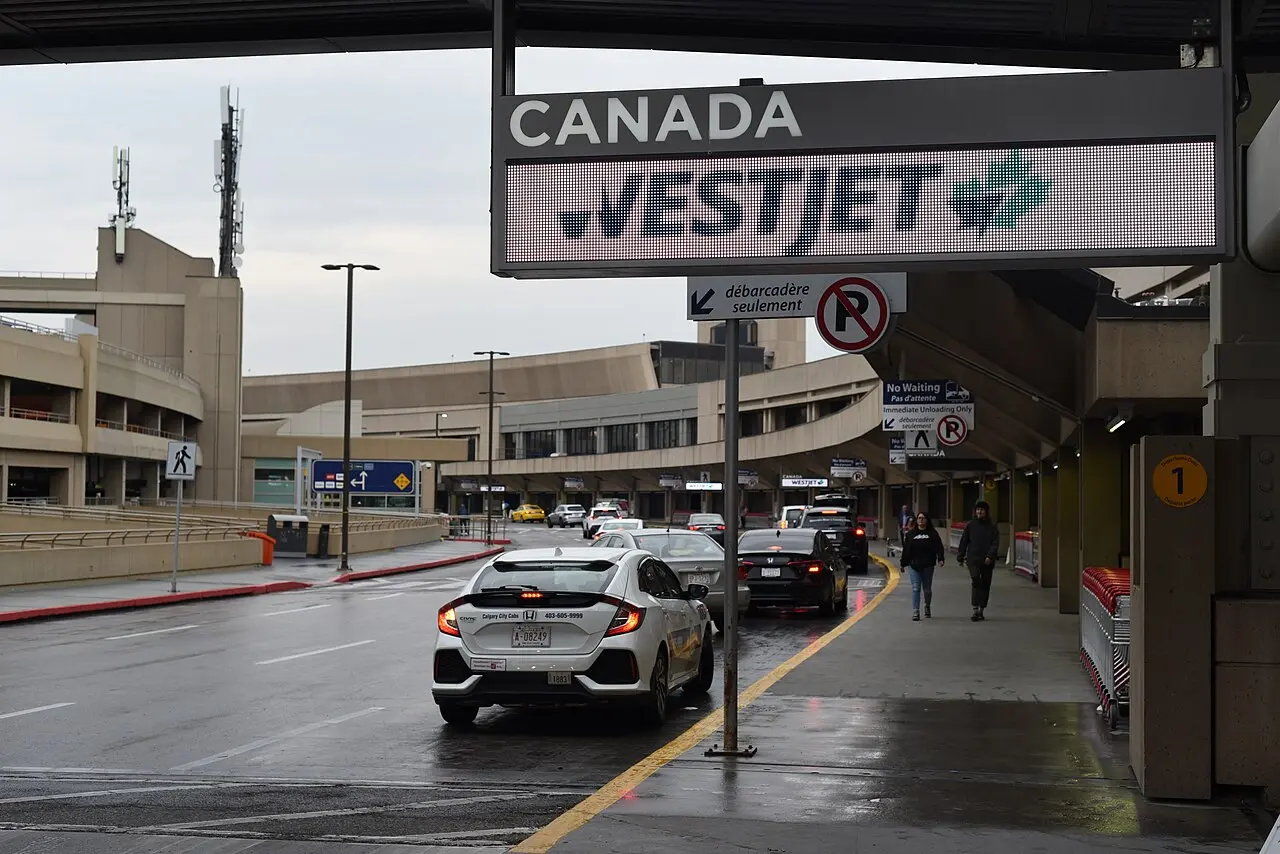
Price your 2027 season for fare-squeezed guests: US economy fares are up 21%
US travel agency air sales rose 18% to $10.2 billion in July–September on just 2% more tickets, with economy fares up 21% from 2025.
ThreatAtlantic operators lose their Toronto winter feed as Porter drops Fredericton and Moncton
Porter suspended Billy Bishop–Fredericton flights from January 5 to April and Billy Bishop–Moncton from February to April, as Air Canada cut four routes and dropped Billy Bishop–Boston.
Threat
Rockies resorts face a new top rate as Rimrock Banff reopens with 320 rooms
Rimrock Banff has reopened as Emblems Collection's first North American hotel, with 320 rooms, 57 suites and a 9,600-sq.-ft. bathhouse inside Banff National Park.
Strength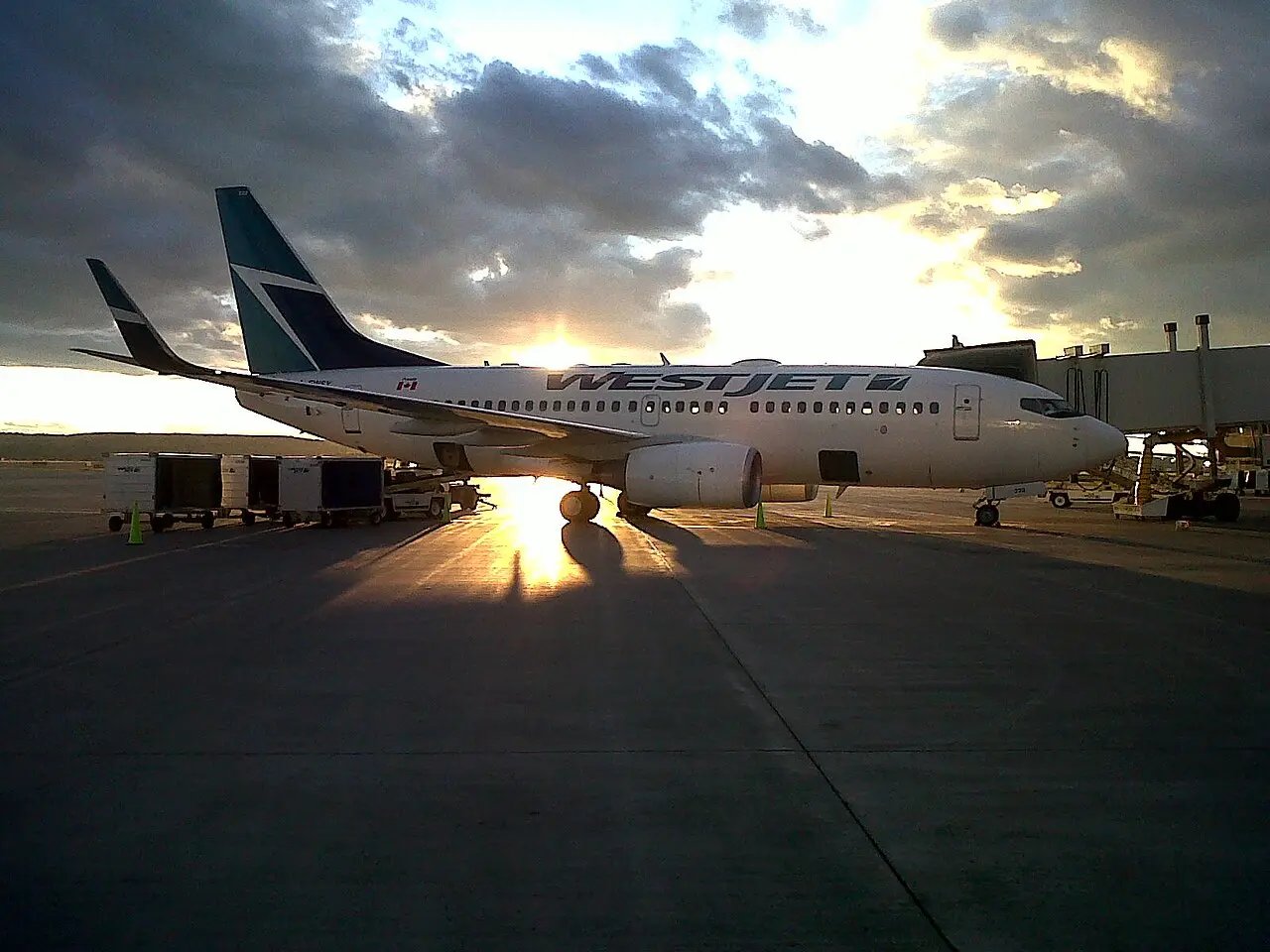
Rebuild 2027 media plans for domestic guests as Canada–US trips sit 29% below 2024
Canadian trips to the US fell 29% in September 2026 versus 2024, and Air Canada has dropped Toronto–Charleston for 2027 while WestJet cuts Nashville, Chicago, Atlanta and Seattle.
ThreatTechnology

Federal space spending tops $3B this year — a funded channel for Canadian sensor and data vendors
Defence Minister David McGuinty announced a $20-million NordSpace spaceport deal and a $4.7-million Kepler contract, part of more than $3 billion in space-related awards this year.
Opportunity
Critical PHP flaws pull federal sites offline — your customers need an answer this week
Minister Evan Solomon said federal sites went offline on October 21 after two critical flaws were found in PHP, the software behind about 70% of websites.
Opportunity
Selling AI to a Canadian bank? Lead with the payback number, not the demo
ServiceNow's Canada lead says the Big Five banks are shutting down AI agents that can't prove their worth, and TD has put $195 million of "AI value" on the board in nine months.
ThreatVertical software firms at $1M–$25M revenue now have a funded buyer — and a funded rival
Toronto-based Beacon Holdings has raised US$560 million and bought 45 small software firms since early 2024, targeting profitable vendors with $1 million to $25 million in revenue.
OpportunityPut the intel to work for your business.
Tell us which signal caught your attention. In twenty minutes we'll tell you who decides and whether it's worth chasing.