
What’s happened.
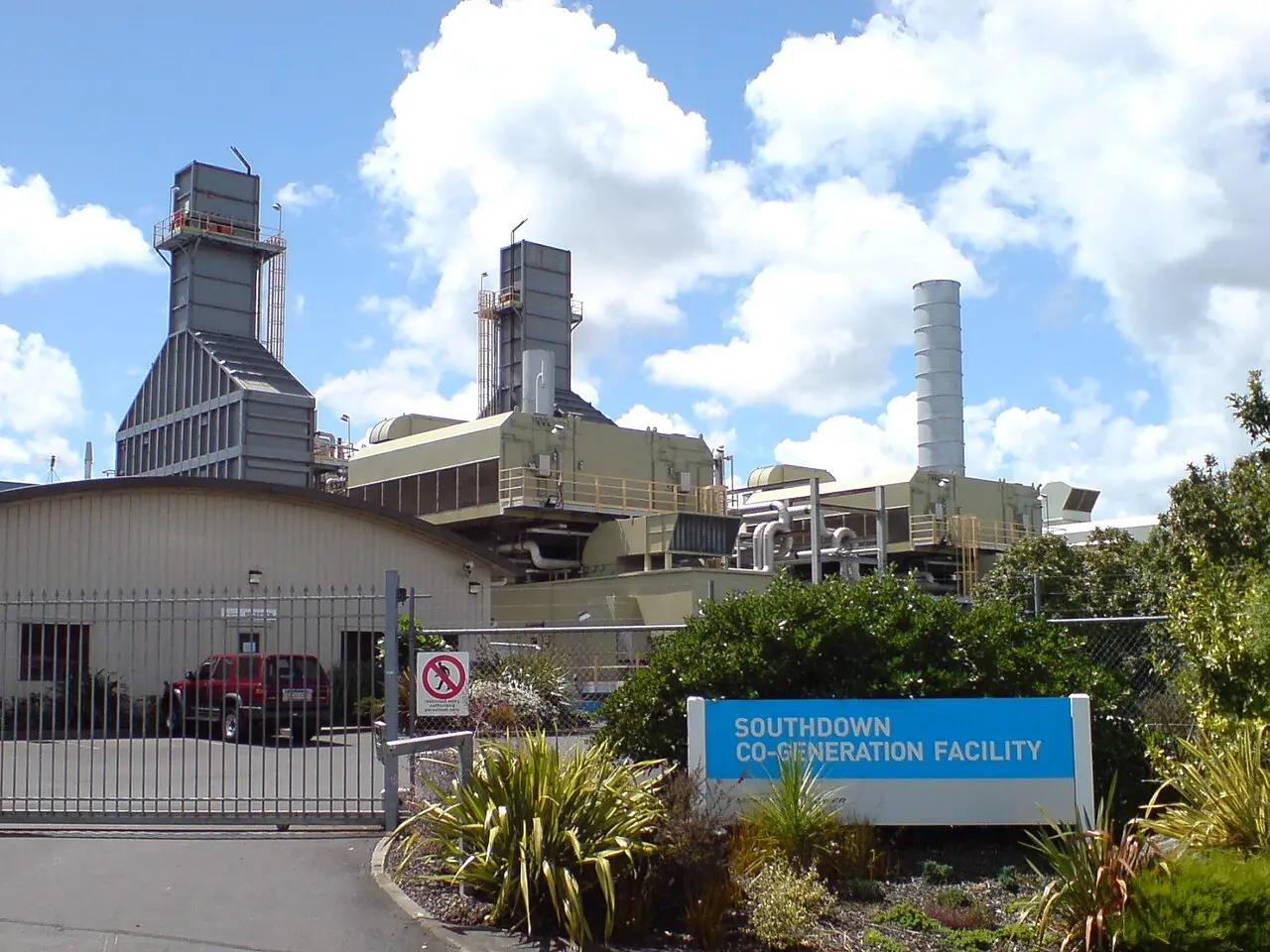
On October 13, 2026, Calgary-based Enerflex Ltd. said it had been contracted to design, engineer, fabricate and assemble more than one gigawatt of low-emission, natural gas-fired power generation units for a large North American data centre development. The units are described as behind-the-meter, meaning the power is made on site and used on site rather than drawn from the public electricity grid. Combined with roughly 450 megawatts of awards announced on October 1, Enerflex’s backlog for this kind of work now tops 1.75 gigawatts, with deliveries stretching through 2028. For scale, one gigawatt is about the output of a large power station, and all of it has to be built in a shop before it ships.
The work runs through Enerflex’s North American manufacturing operations, and the company has authorized about $100 million to expand what its Engineered Systems business line can build, $15 million of which sits inside its 2026 capital spending plan. Chief Executive Paul Mahoney tied the order book to demand for reliable on-site power for artificial intelligence and digital infrastructure. Enerflex also pointed past the equipment itself, to commissioning, installation, maintenance and digital monitoring work through its ReliaCore asset performance management system — in plain terms, the services that follow once the units are running.
A backlog of that size, with a two-year delivery runway and money already committed to more shop capacity, does not get absorbed by one company’s own floor space and own people. It gets spread across machining, pressure vessel, structural steel, piping, electrical, controls, instrumentation and transport suppliers, most of whom sit in the Western Canadian Sedimentary Basin and have spent the last decade quoting compression and gas processing work rather than power generation.
What it means for your business.
If you run an Alberta or B.C. shop with fabrication, machining, electrical or instrumentation capacity, this is a named buyer with a dated program: more than 1.75 gigawatts to deliver through 2028, and $100 million going into expanding capability. The nearest-term risk is that your capability sheet still reads as oilfield-only, so a power generation buyer never short-lists you. Rewrite your capability statement and quoting materials around power generation packages — weld procedures, vessel codes, panel builds, lead times — rather than oilfield service language, and get it in front of procurement while the 2027 and 2028 build slots are still being sourced.
Next step: Rewrite your capability statement in power generation terms and submit it to Engineered Systems procurement before the 2027 build slots are filled.
Explore this opportunity for your businessSources & context.
Reported developments are separated from MKTGSpace’s suggested commercial next steps. Reconfirm current conditions before acting.
See where you fit.
Tell us what you sell. We will come prepared to discuss where your offer fits, who to reach and the marketing strategy and implementation needed to pursue the opportunity.
Apply this to my business