
What’s happened.
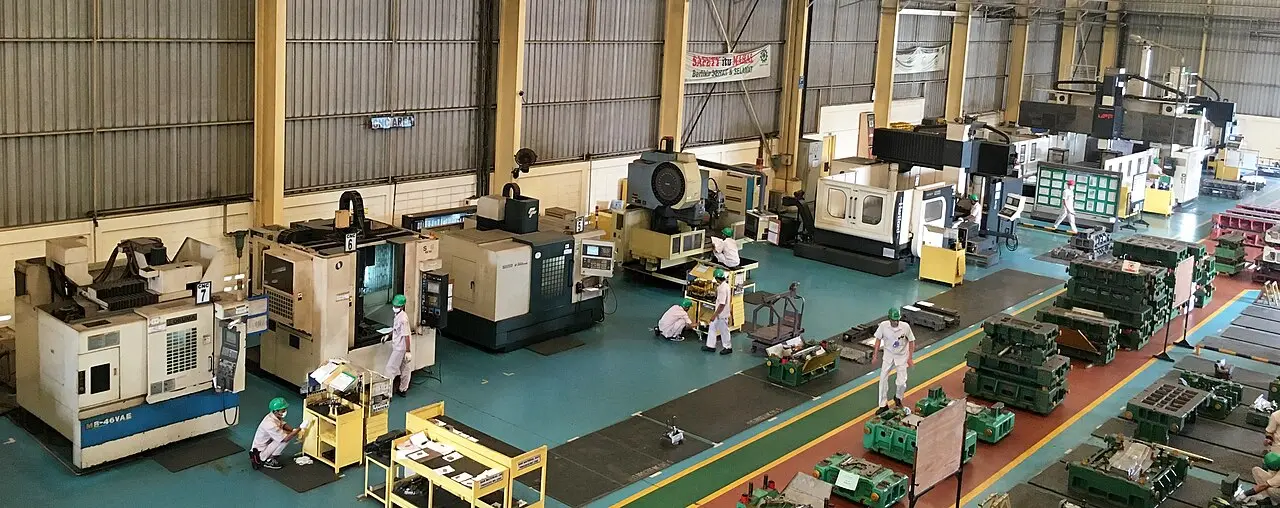
On October 28, 2026, the federal government announced an $11 million investment in Conifex Timber Inc., which runs a mill in Mackenzie, British Columbia making wood products and bioenergy. The money comes from the Regional Tariff Response Initiative, a federal fund set up for businesses hurt by US tariffs. It is not a grant cheque: $10 million is repayable, meaning the company pays it back, and $1 million is not. What it buys is specific and ordinary plant work — upgraded transfer systems, five modernized kilns and automated production equipment — aimed at lifting output, improving product quality and lowering the cost of making each unit.
The size of the program matters more than the single award. The Regional Tariff Response Initiative holds $3.45 billion over four years for small and medium-sized businesses hit by tariffs, and it is delivered across the country by Canada’s regional development agencies, the federal offices that fund business projects in each region. In British Columbia that agency is Pacific Economic Development Canada, which made this announcement. Ottawa says the fund is meant to help companies adapt to changing markets, sell into new ones, handle cash-flow pressure and compete with US products inside the Canadian market. It sits inside a $7.5 billion package of new measures, on top of nearly $25 billion the government says it has already spent since the US tariffs came in.
For an Alberta plant owner, the useful part is the template. The award shows the kind of project that gets funded — equipment on the floor, automation, cost per unit — and the structure most of the money comes in, which is repayable rather than free. A federal Forest Sector Strategy is due in November 2026, so more sector-specific announcements are likely in the weeks after.
What it means for your business.
If you run an Alberta manufacturing, fabrication or building-products business whose orders or input costs moved when US tariffs landed, this is the clearest public picture yet of what the federal tariff fund actually pays for. Treat it as financing to put in your capital plan, not a grant to hope for: most of the Conifex money has to be paid back, and the project was ordinary plant equipment and automation. If you have an equipment purchase or line upgrade penciled in for the next two quarters, build the funding question into the quote now rather than after you have signed.
Next step: Before you sign your next equipment purchase, call your regional development agency and ask whether the project qualifies under the Regional Tariff Response Initiative.
Explore this opportunity for your businessSources & context.
Reported developments are separated from MKTGSpace’s suggested commercial next steps. Reconfirm current conditions before acting.
See where you fit.
Tell us what you sell. We will come prepared to discuss where your offer fits, who to reach and the marketing strategy and implementation needed to pursue the opportunity.
Talk to us about this signal