
What’s happened.
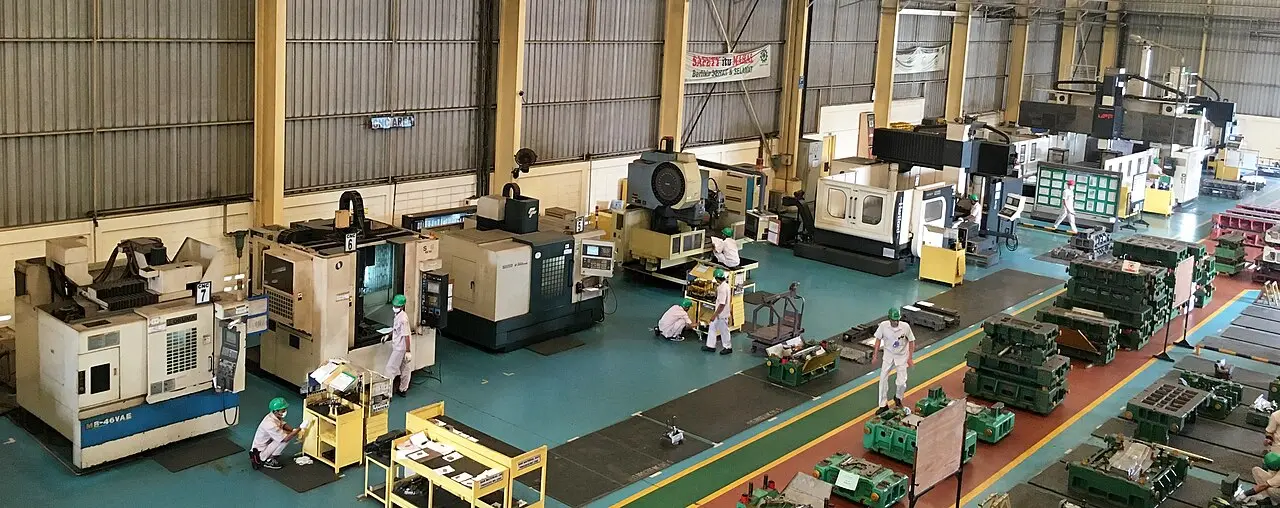
On November 5, 2026 the federal government tabled a budget of more than 500 pages titled Masters of Our Destiny, and the part that matters most to an Alberta plant owner is short. The budget confirms what it calls the Productivity Mega Deduction: businesses of any size can immediately deduct 100% of eligible new investments, including machinery, equipment, computers and software. Ottawa says the measure covers more than 65% of business assets — roughly two of every three things a manufacturer buys. In plain terms, a press, a CNC cell, a packaging line or a software rollout comes off your taxable income the year you buy it, rather than in slices over many years. That shortens the payback period on purchases a lot of shops shelved when borrowing got expensive. The details are set out in industry reaction to the 2026 federal budget and in PLANT’s summary of what manufacturers need to know.
There is cash alongside the tax change. The budget adds $1.5 billion to the Regional Tariff Response Initiative, which puts money and working capital into small and medium-sized businesses hurt by tariffs — the import taxes charged at the border — and that brings the program to nearly $3.5 billion in total. A new $500-million financing stream under the Business Development Bank of Canada’s Pivot to Grow program targets businesses with immediate cash-flow pressure. Ottawa has also dropped the minimum revenue needed to qualify for the bank’s tariff-related programs to $1 million, which pulls a whole tier of smaller Alberta exporters and fabricators into eligibility for the first time. The budget also carries measures on industrial energy efficiency, steel and automotive production, critical minerals and supply chains; some are new and some confirm announcements made earlier in the year.
The winners here will not be the firms with the best case for new equipment. They will be the firms that already have one written down. A full first-year deduction only helps a business that knows which machine it wants, what it costs, what it does to throughput, and who is financing it. That work takes a few weeks, and the fiscal year does not wait.
What it means for your business.
If you run an Alberta fabrication shop, machine shop, equipment maker, building-products plant or food processing line, this changes the math on every purchase you deferred in the last two years. Rank your equipment and software wish list by what it does to output or labour hours, cost each item, and take the top three to your lender or accountant before the new fiscal year starts. If tariffs have squeezed your cash and you bill more than $1 million a year, check your eligibility for the Business Development Bank of Canada's tariff programs now that the revenue bar has come down. And if you sell equipment to other manufacturers, rewrite your pitch this month around a full first-year write-off.
Next step: Build a costed, ranked 2026-27 equipment and software purchase list this month and review it with your accountant and lender.
Explore this opportunity for your businessSources & context.
Reported developments are separated from MKTGSpace’s suggested commercial next steps. Reconfirm current conditions before acting.
See where you fit.
Tell us what you sell. We will come prepared to discuss where your offer fits, who to reach and the marketing strategy and implementation needed to pursue the opportunity.
Talk to us about this signal