
What’s happened.
MIXED · Hotels & Tourism · mountain tourism
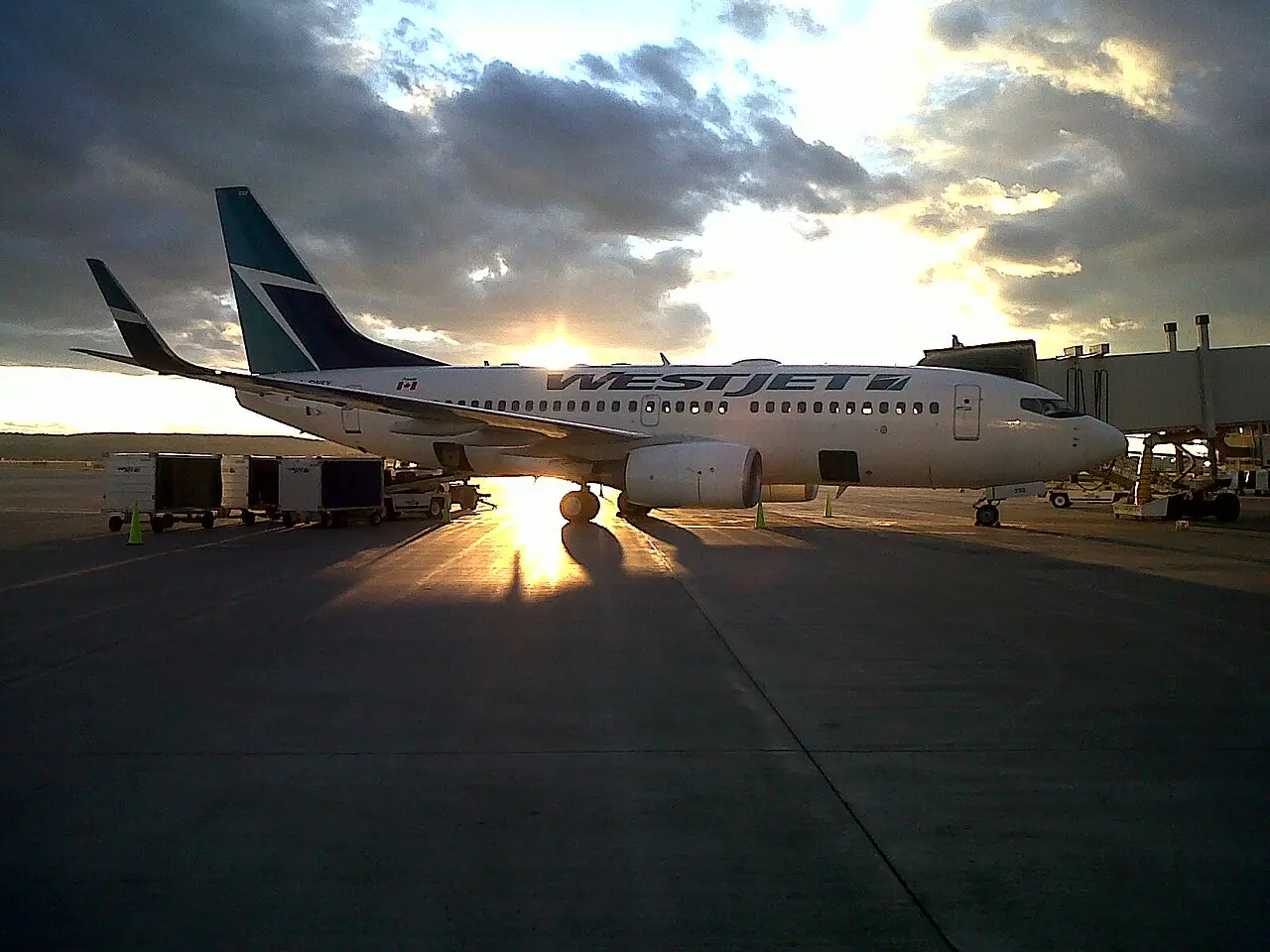
On 30 October 2026, WestJet chief executive Alexis von Hoensbroech told the Calgary Chamber of Commerce the airline is carrying an extra $1.6 billion in fuel costs every year, and that its 2026 fuel bill could reach $3.2 billion. “Right now we are literally paying double what we paid a year ago,” he said, adding that WestJet is working on the assumption that fuel stays expensive through all of 2027 and maybe into 2028. His conclusion was blunt: “People will have to expect that airlines will eventually have to recover the cost of fuel through ticket price. There’s no other way.” He said WestJet has raised fares in line with other airlines but has also dipped into its cash reserves rather than push prices higher still, and that the weak economy has delayed the timing of taking the WestJet Group public. The remarks were reported by Travel Radar and Travelweek.
WestJet also used the moment to repeat its call for a national aviation strategy, a federal plan for how the country runs and pays for air travel. The airline said high fuel is exposing older pressures on Canadian flying: airport charges, the cost of passenger-protection rules, taxes and other requirements. In its words, “Fuel is bringing to light what was already there: Canada’s aviation system has very few shock absorbers left.”
Calgary is WestJet’s main hub, so this lands directly on Alberta’s visitor economy. If seats into Calgary cost more through 2027 and into 2028, the guest who flies in from the United States, Europe or Toronto becomes harder and more expensive to win, and national association conferences get more sensitive about where they meet. The guest who drives from Edmonton, Vancouver, Kelowna, Saskatoon or Regina does not care what jet fuel costs. That is a marketing decision, not a forecast, and it can be made now rather than next spring.
What it means: If you run a hotel, resort, tour company, ski hill or conference property in Calgary or the mountain corridor, assume your fly-in guest pays more for the flight next season and arrives with less to spend, or does not come at all. Build your 2027 plan around two moves: a campaign aimed squarely at people within a day’s drive, and longer-stay packages that make an expensive flight worth taking by spreading it across more nights. At the same time, push direct bookings, because every point of commission you give away hurts more in a year when your guest’s travel budget is already stretched. Decide the mix before you commit next year’s marketing spend in the first quarter.
Sources & context.
Reported developments are separated from MKTGSpace’s suggested commercial next steps. Reconfirm current conditions before acting.
See where you fit.
Tell us what you sell. We will come prepared to discuss where your offer fits, who to reach and the marketing strategy and implementation needed to pursue the opportunity.
Talk to us about this signal