
What’s happened.
Trans Mountain finished a capacity upgrade in October, two and a half months ahead of schedule, and the numbers show up immediately at the coast. The Globe and Mail reported on November 19 that the project added roughly 90,000 barrels a day by injecting drag-reducing agents, a chemical that cuts friction between the oil and the inside of the pipe, taking the line to 980,000 barrels a day. Thirty tankers left the Westridge terminal in Burnaby, B.C. in October, six more than September and the most yet, carrying 15.9 million barrels, according to a Royal Bank of Canada analysis. Since the expanded system started in May 2024, 722 tankers have loaded there and more than 65 per cent went to Asia, with Chinese refineries more than doubling their purchases of Canadian heavy crude.
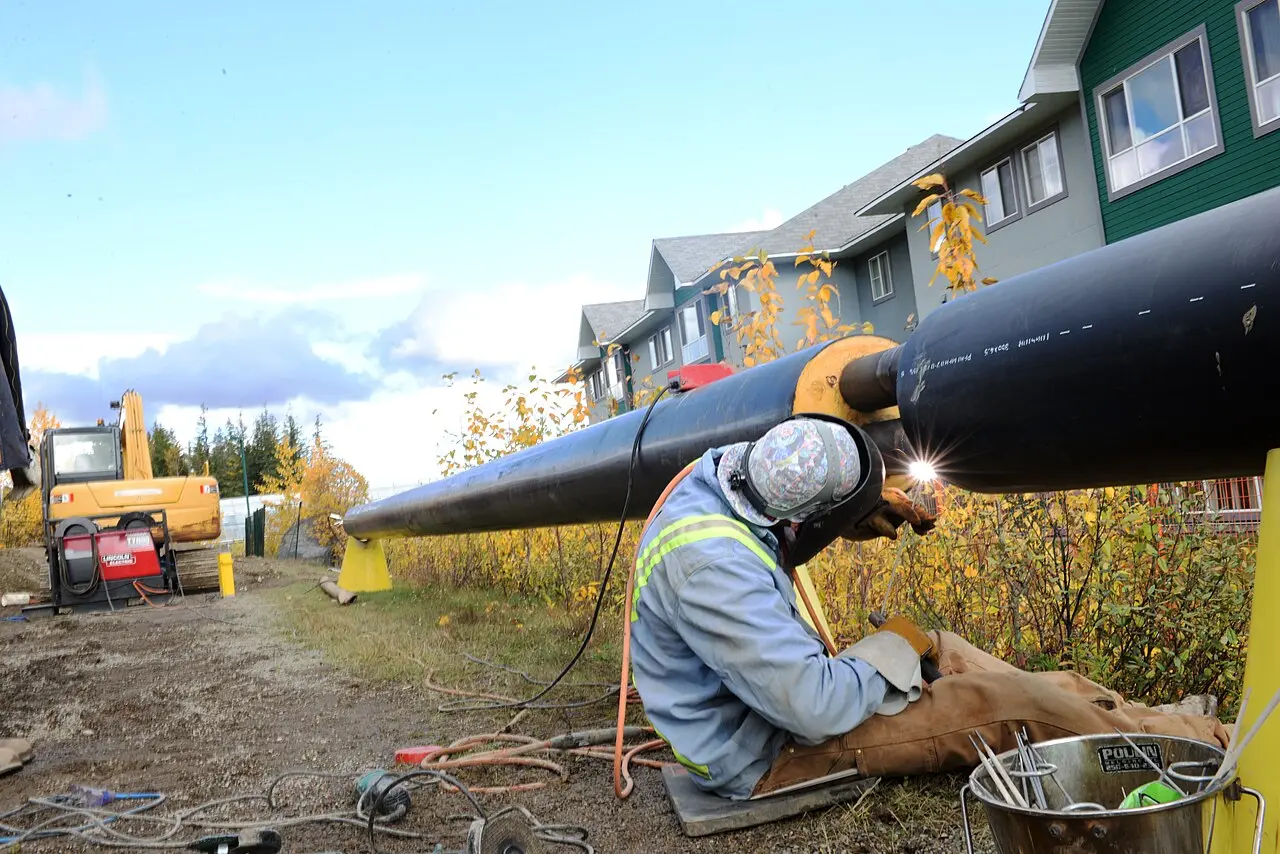
The part Alberta suppliers should read twice is what comes next. Trans Mountain has applied for a second, larger optimization: another 210,000 barrels a day, 30 kilometres of new 36-inch pipe laid beside the existing main line, 11 new pump stations, and more electrical power so those pumps work harder. The company expects a decision on the technical side by April, after which it would run an open season, the process where oil companies commit barrels to the line so the project can be justified commercially, before a final investment decision. Separately, Ottawa last month named the proposed Pacific Link pipeline the first project of national interest under the Building Canada Act, which speeds up approvals, and Alberta announced an Oil Sands Growth Program the week before.
Scope like this does not arrive as a surprise public tender. Pump stations, power upgrades and tie-ins into a line that keeps running are shaped into packages by engineering and procurement teams months before anyone is asked to bid. The firms that win them are the ones already known to those teams. The April date is the honest deadline: after it, the conversation moves from who could do this to who is on the list.
What it means for your business.
If you run an Alberta engineering, electrical, pump, instrumentation or fabrication firm with brownfield experience — work on facilities that are already operating — this is the clearest piece of West Coast pipeline scope on the table. Eleven pump stations and a power increase need disciplines Alberta has in depth, and the technical decision is expected by April. Use the next four months to get in front of the project and procurement teams with proof you can tie into a live system, rather than waiting for a tender that will land on a shortlist already formed. The same story also helps producers: more room on the pipe supports Alberta heavy-oil prices, which is what funds the 2027 maintenance and debottlenecking budgets most service firms live on.
Next step: Before the end of January, put a one-page brownfield capability summary in front of Trans Mountain's project and procurement teams naming the pump station, power and tie-in scope you can carry.
Explore this opportunity for your businessSources & context.
Reported developments are separated from MKTGSpace’s suggested commercial next steps. Reconfirm current conditions before acting.
See where you fit.
Tell us what you sell. We will come prepared to discuss where your offer fits, who to reach and the marketing strategy and implementation needed to pursue the opportunity.
Talk to us about this signal