
What’s happened.
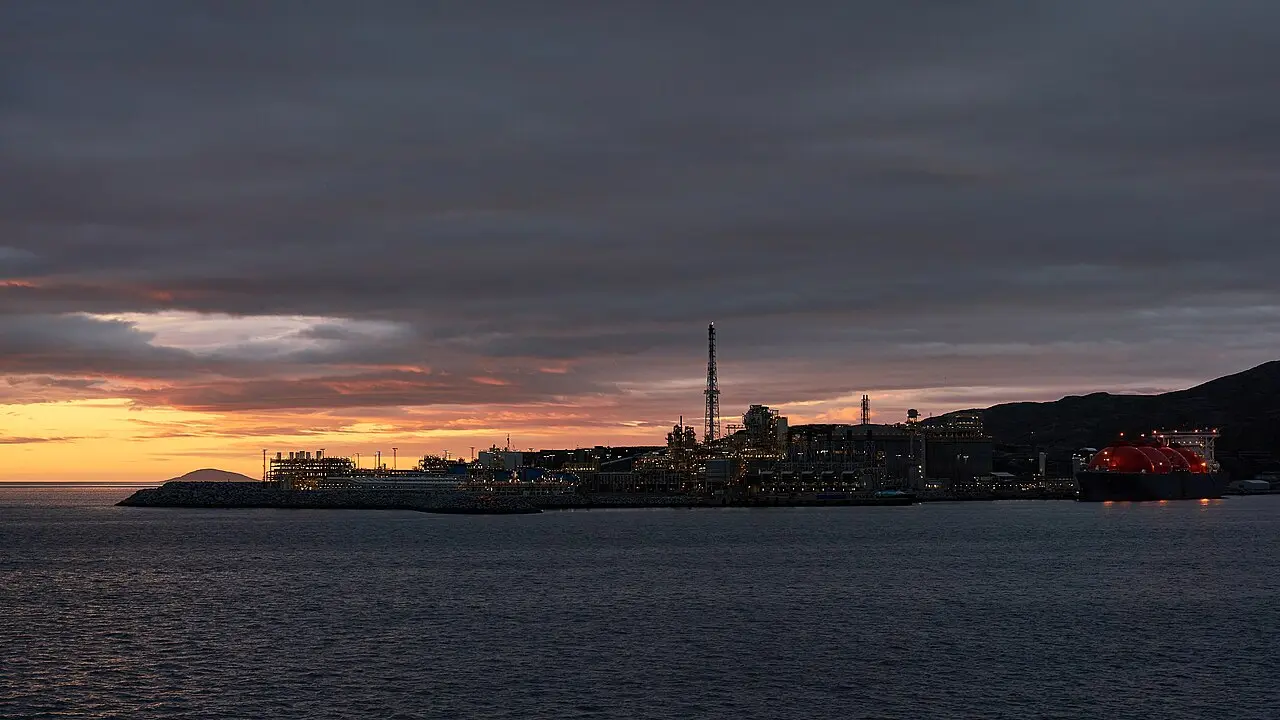
The Government of Canada will put C$200 million (US$140 million) into the Woodfibre LNG plant being built near Squamish, British Columbia, according to a person familiar with the matter quoted on 12 November 2026. The money lifts the plant’s announced capacity by up to 24%, from 2.1 million tonnes of liquefied natural gas a year to between 2.5 and 2.6 million tonnes. It does that in two specific ways: upgrades to the cooling systems, and the commissioning and mooring of floating storage tanks. Owners Enbridge and Singapore-based Pacific Energy, who have already sold the original 2.1 million tonnes to BP, are also looking at a second phase, and they aim to start the plant up in late 2027. The details were first reported by EnergyNow and carried by the BOE Report on 13 November 2026.
Read the two scopes, not the headline number. Cooling system upgrades on a plant already under construction, plus commissioning and mooring of floating storage, is debottlenecking work: getting more out of equipment that is already in the ground or on order. That is a different buy from a new build. It favours engineering firms that do capacity additions and tie-ins on live or nearly live facilities, fabricators who can turn vessels and piping on a construction schedule rather than a greenfield one, and commissioning and start-up crews. Alberta has all three, and Calgary firms have been doing this work on gas plants and compressor stations for years.
The timing is the part that should move people. A late-2027 start-up means these packages are specified and placed over the coming months, not after a public announcement. Nothing in the story names a tender date, which is exactly the point: in capacity additions on a project already in flight, the owner and its main contractors go to vendors they already know. There is also a second phase under study, so the firms who get on the list for this C$200 million scope are positioning for a much larger one later.
What it means for your business.
If you run an Alberta engineering, fabrication or commissioning business that adds capacity to facilities already built, this is your scope, and the buying happens before the late-2027 start-up. Decide this month whether you are selling debottlenecking and tie-in capability into the project itself, or selling into the Alberta and northeast BC gas processing that has to supply an extra 400,000 to 500,000 tonnes a year. Either way, your capability story needs to say capacity addition on a running asset, not new build.
Next step: Write a one-page capability note on capacity additions and commissioning on operating facilities and get it in front of the project's engineering and procurement contacts this quarter.
Explore this opportunity for your businessSources & context.
Reported developments are separated from MKTGSpace’s suggested commercial next steps. Reconfirm current conditions before acting.
See where you fit.
Tell us what you sell. We will come prepared to discuss where your offer fits, who to reach and the marketing strategy and implementation needed to pursue the opportunity.
Talk to us about this signal