
What’s happened.
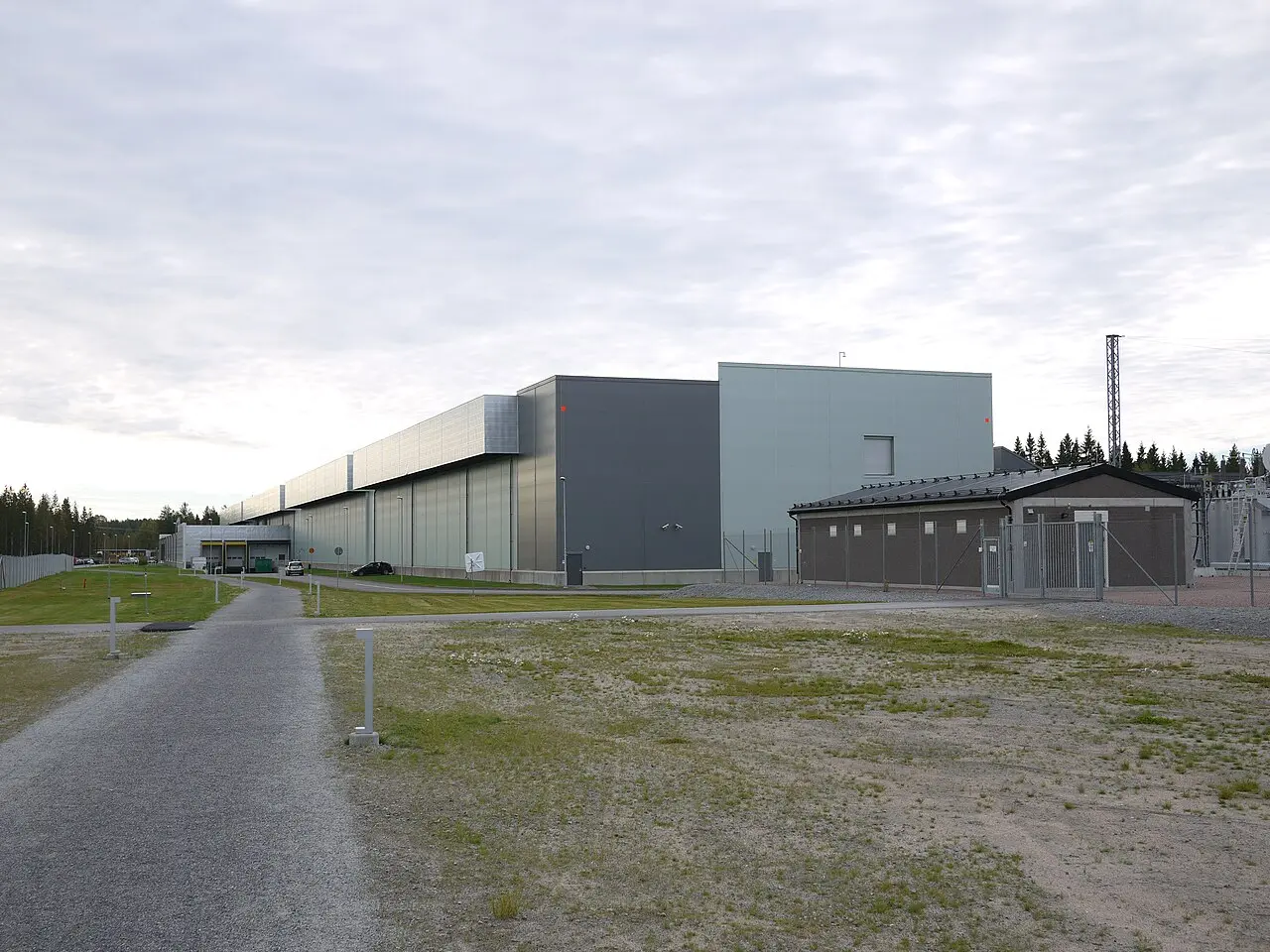
The Calgary Herald reported on October 24, 2026 that the data centre proposed at TransAlta’s Keephills power station, about 60 kilometres west of Edmonton, now has a name: the Boreal Technology Hub. It is backed by Brookfield, the Canada Pension Plan Investment Board (the fund that invests Canadians’ pension money) and Calgary-based power generator TransAlta, which signed a memorandum of understanding — an agreement to study the project together — in February. The backers put the first phase at $5 billion of spending, 1,000 construction jobs, at least 150 permanent jobs and up to 700 over time, plus $24 million a year in municipal taxes and $65 million a year to the province through a levy.
The timing matters more than the headline number. Parkland County Mayor Rod Shaigec said the land is already zoned to allow a data centre, that no building permit application has been filed yet, and that he expects one within a few months. That means the engineering, procurement and trade packages behind a project of this size are being shaped now, ahead of any public approval decision. It is not the only one: more than 40 data centre proposals have asked the Alberta Electric System Operator, the agency that runs the provincial power grid, to connect — together requesting up to 26 gigawatts of electricity. The province wants more than $100 billion of data centre investment by 2030, and the $13-billion Meta project in Sturgeon County is already under construction.
The other half of the story is resistance. Parkland County Councillor Kristine Olson said residents who attended an open house this month are “wary” and want to see the due diligence done. Mayor Shaigec named the two concerns directly: how much electricity and how much water these buildings use. Premier Danielle Smith has told developers to bring their own power generation or partner with a generating company, which is exactly what the Keephills arrangement does. For anyone selling into these projects, that is a signal about what the buyer needs: proof of local benefit, local hiring and restraint on power and water, because those are the arguments that get a permit through a cautious council.
What it means for your business.
If you run an Alberta electrical or mechanical contracting firm, a steel fabrication or module shop, an earthworks or concrete crew, an equipment rental yard or a site-services business, this is your second large industrial build in the Edmonton region after Meta's Sturgeon County project. The permit application is expected within a few months, so the useful work is this quarter: a one-page capability note aimed at data centre builders, with your crew size, capacity, safety record and Alberta hiring, sent to the engineering and construction firms that will package this scope rather than waiting for a tender to appear. Approval is not certain and the public debate over electricity and water use is real, so treat it as one pursuit among several — including the other proposals sitting in the grid connection queue.
Next step: This quarter, send a one-page capability summary to the engineering and construction firms packaging work at Keephills, before the building permit application is filed.
Explore this opportunity for your businessSources & context.
Reported developments are separated from MKTGSpace’s suggested commercial next steps. Reconfirm current conditions before acting.
See where you fit.
Tell us what you sell. We will come prepared to discuss where your offer fits, who to reach and the marketing strategy and implementation needed to pursue the opportunity.
Talk to us about this signal