
Differentiation can be difficult. Something that is ingrained into us as marketing professionals is that we want to carve out a piece of people’s minds with a brand so that when they’re thinking about our product/service category, our brand is the first in their minds. While this is obviously a great idea, the actual execution of it is a bit tricky, and requires a focus on building a brand reputation based on how people make purchasing decisions.
Through our research, we’ve reached the hypothesis that there are four brand positions, and that companies should strive to be known as a leader in one of the four.
The are four different positions people make purchase decisions based on:
- Quality
- Price
- Convenience
- Shared values
The 4 Positions
What do you look for when buying a product or signing up for a service? Does quality trump price? Do you want a brand that shares your unique values, or do you want it delivered quickly to your doorstep?
We all consider quality, price, convenience, and values every time we make a purchasing decision. However, depending on your priorities, one will outweigh the others.
Let’s break these down.
1. Quality
What it is: A sizable portion of any audience will focus on obtaining a product or service with the best quality, performance, or brand reputation that they can afford. These shoppers prioritize getting the best product or service, even if it costs more, because it’s worth it to them. They see the value in what they’re purchasing and want to get the most value for their money.
Why it matters: This willingness to spend more on quality stems from the subjective importance someone puts on a product.
Some people will spend more on a fancy car because it makes them feel good, some people will spend more on better quality food because they like the taste, and some will spend more on high-quality marketing because they recognize it’s important to their business’s growth.
The key here is that the audience finds value in getting the best version of what they’re buying because it’s important to them.
What statistics say: Surveys consistently show quality ranking at or near the top of purchase criteria. One study found that 32% of consumers named “highest quality” as the most important factor when shopping.
This number isn’t consistent across every industry, but there will almost always be connoisseurs, luxury buyers, and people who want to buy the best version of a product, so in terms of a viable audience, it’s worth checking out.
How to do it: Positioning your brand based on quality is a great way to stand out to customers who are willing to pay more. All you need to do is do a good job, and we highly recommend that as a business strategy.
However, it is a hard position to achieve in people’s minds. Why? Because everyone claims they’re the best. So, how do you show your audience that you truly are?
Signal quality at every turn—through your language, pricing, design, and social proof.
There are a lot of ways that people perceive quality. Some include:
- Materials and Craftsmanship: High-quality materials, construction, durability, and attention to physical detail.
- Performance and Reliability: Consistent functionality, dependability, and doing what it’s supposed to do well.
- Brand Reputation and Trust: Well-known, trusted brands are assumed to offer higher quality.
- Price as a Signal of Quality: Higher prices often suggest higher quality, especially when expertise is low.
- Design and Aesthetic Appeal: Clean, attractive, and intuitive design increases perceived value.
- Customer Experience and Support: Helpful, fast, and respectful service boosts the sense of overall quality.
If you choose quality as your positioning, use as many of these marketing tactics as possible to emphasize your effort. Some tactics to highlight quality include:
- Use language that communicates superiority (“handcrafted,” “award-winning,” “clinically proven”).
- Highlight reviews, testimonials, or expert endorsements.
- Price your product above average to convey premium status.
- Compare directly with competitors, showcasing superior materials, features, or performance.
Example: World’s Best Cat Litter

This one is close to my heart because this is the litter I get for my cat. It’s supposed to be the best. The brand name alone implies top-tier quality. It states outright that it’s the “world’s best,” who am I to question it?
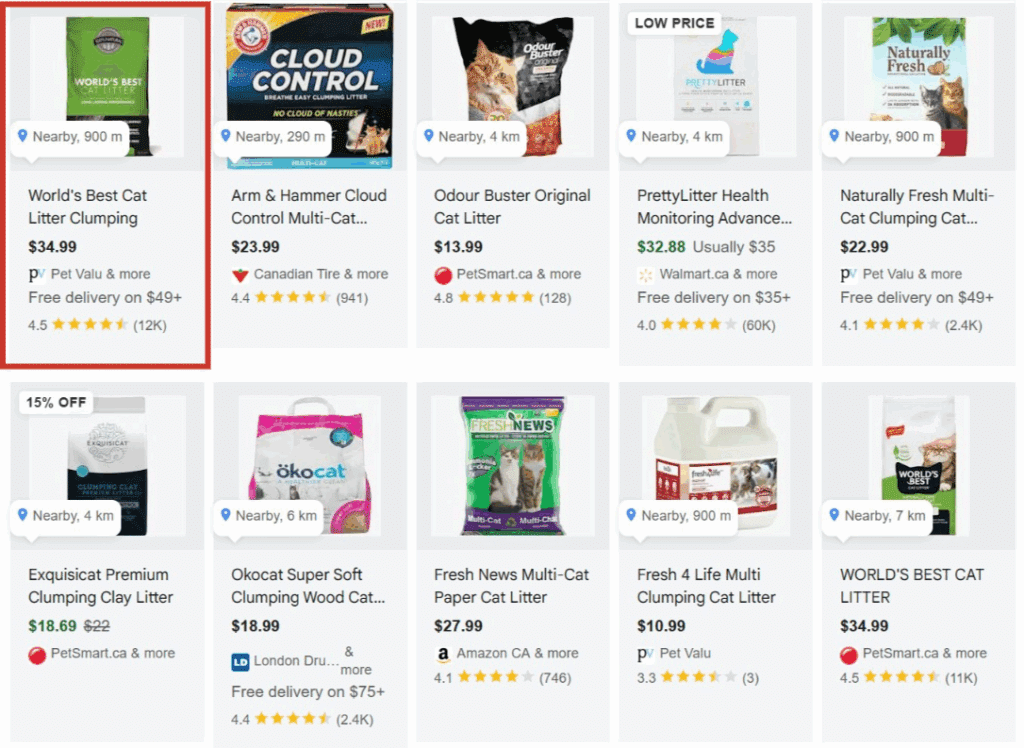
Along with that, it’s priced well above many of its competitors and has an average rating of 4.5/5 by 12k reviewers, way more than anyone except PrettyLitter (with its measly 4/5 rating).
Everything about this brand, from what it’s made of to its packaging design to the words on the bag, implies that it is the best. Considering I’m generally fond of my cat, I’m inclined to buy this product over the competitors, because the quality is important to me.
2. Convenience
What it is: Convenience is often taken for granted. Next-day delivery, on-demand transportation, cafe corner stores, and same-day service are all commonplace for many of us. Still, they’re what a business needs to invest in to deliver markedly faster and easier service than competing brands.
Why it matters: A substantial fraction of consumers value convenience. Saving time, easy checkouts, accessibility, and other factors are a priority for purchasing goods or services, even if it means paying a bit more. This is a great factor to focus on because many people want to avoid spending their mental energy making another decision during their day.
They just want something easy that works.
It’s important to note that relatively few consumers initially cite convenience as their number-one factor; however, convenience has become a critical differentiator in practice.
What statistics say: 97% of shoppers have abandoned a purchase because it became too inconvenient. This indicates that, even if convenience isn’t everyone’s first priority, virtually all consumers expect a baseline of ease, and a segment (~20%) will actively favour the most convenient option available.
There are a lot of ways people feel something is more convenient for them:
- Time-Saving: The product or service helps them get things done faster (e.g., express checkout, quick setup, fast delivery).
- Ease of Use: It’s intuitive and simple to understand or operate without needing instructions (e.g., one-click ordering, user-friendly apps).
- Accessibility: It’s available when and where they need it (e.g., 24/7 service, mobile access, local availability).
- Low Effort Required: Minimal physical or mental effort is needed to use or obtain it (e.g., automatic refills, subscriptions, curbside pickup).
- Quick Customer Support: Fast, easy access to help or issue resolution (e.g., live chat, self-serve support tools).
- Low Friction Checkout or Signup: Few steps, minimal information required, no unnecessary hurdles to buying or signing up.
Tactics to highlight convenience include:
- Emphasize speed and ease of use (“same-day delivery,” “simpler than you think”).
- Reduce the steps it takes to buy or use your product.
- Offer subscriptions, automation, or bundling.
- Use testimonials that highlight “how easy it was.”
Example: Uber
Honestly, it’s just easier. I like to think we all remember days of standing outside on a cold Calgary night at the Ship and Anchor, hoping a taxi with its light on would pass by that you could fight another group to the death for the privilage of giving them the rest of the cash in your wallet and a mathmatically obtuse tip… Anyways, Uber just made it easy.

For me, Uber is the definition of frictionless. Transportation that is always nearby, it’s so easy to pay for you barely look at the price, and the experience is effortless.
If you’re thinking about trying to compete based on your convenience factor, think, “How can I make this as easy as getting an Uber?”
3. Price
What it is: Price is the classic positioning strategy. Telling the world that “We’re cheaper” definitely gets people’s attention. However, it’s a bit of a double-edged sword for many businesses, resulting in customers constantly asking for discounts and a race to eliminate profit margins between competitors.
Why it matters: That being said, if you have the scale and operations to work with thin margins, competing on pricing is a relatively easy way to make your business more approachable for customers.
How to do it: This audience is very responsive to sales, discounts, and clear comparisons between your pricing and your competitors’. Focusing solely on the price and its affordability compared to alternatives is often enough to sway people in your direction.
People perceive products/services based on the budget in many ways:
- Lowest Visible Price Tag: The base price is clearly lower than competitors’, often highlighted (e.g., “Only $9.99”).
- Price Comparisons or Strikethroughs: Displaying the original price versus the sale price, or comparing to higher-priced competitors (e.g., “Was $49, Now $19”).
- Simple or Minimal Packaging: Basic packaging gives off a low-cost, no-frills impression.
- Messaging Focused on Value: Language like “affordable,” “budget-friendly,” “best deal,” or “more for less” builds the low-price perception.
- Prominent Unit Pricing: Displaying the cost per item, ounce, or use makes the value feel more transparent and affordable.
Tactics to highlight price include:
- Lead with your lowest price or biggest discount.
- Use urgency, e.g., “limited-time offer,” “while supplies last.”
- Provide price comparisons or savings calculators.
- Use language like “unbeatable,” “budget-friendly,” or “lowest price.”
Example: Costco
Costco is my go-to for price-position businesses, and based on trying to park on a Sunday morning, it’s everyone else’s too.
Costco is a great example of a business that has successfully built and positioned itself based on its low prices. You can see from the ads and catalogs that they put out that a major focus is on showcasing prices, discounts, and ‘$ off’ offers.
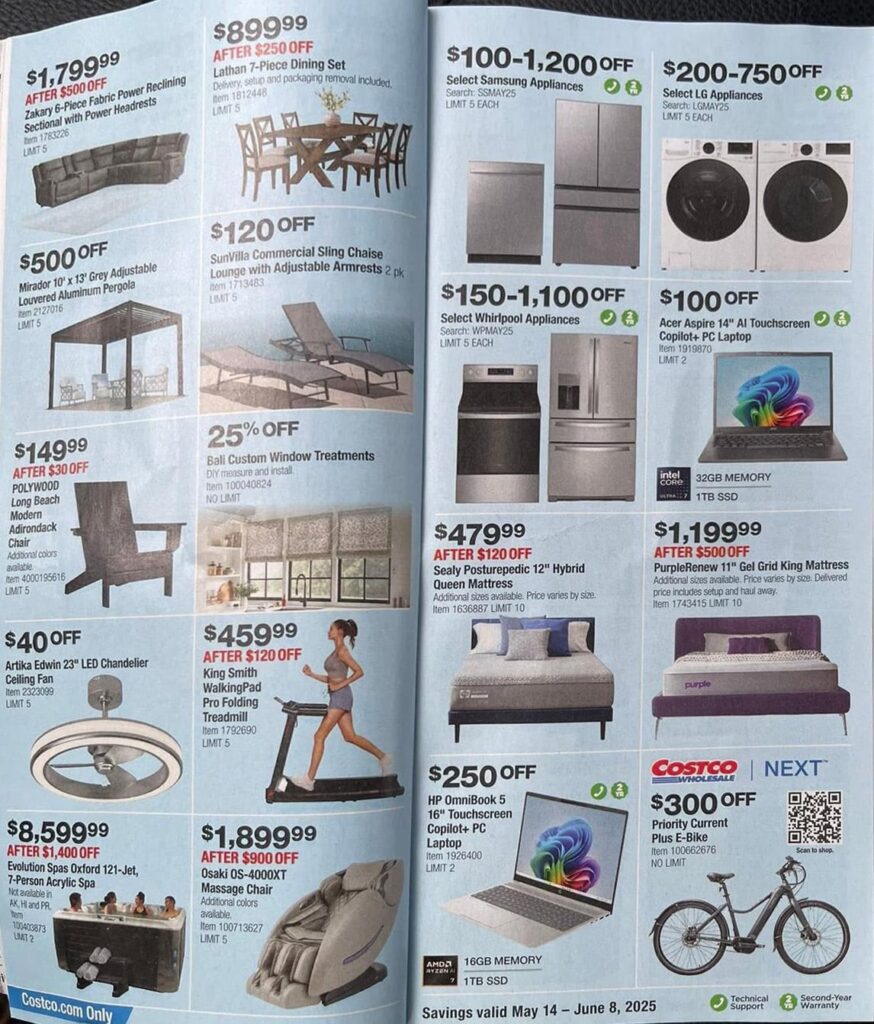
Costco knows how to frame its prices so everything seems like it’s at a discount. You know if you’re going to Costco, you’re getting a deal.
4. Value Alignment
What it is: People want to buy from brands that align with their personal values. Whether it’s sustainability, social justice, patriotism, or any other number of self-identifiers that are important to us, our values have sway over our purchase decisions.
Why it matters: A lot of clever brands have realized that they have values and beliefs that are important to them, and by making those values part of their business and advertising, people become more inclined to shop with them.
How to do it: Values are a powerful motivator and can create long-term brand loyalists if your brand aligns closely enough with your customers. Some ways companies achieve this:
- Clear Mission and Purpose Statements: The brand publicly shares why it exists beyond profit (e.g., “We’re here to empower working mothers” or “Fighting climate change one step at a time”).
- Support for Social or Environmental Causes: The company donates to, partners with, or advocates for causes the customer cares about (e.g., sustainability, diversity, mental health).
- Transparency and Honesty: Open about sourcing, manufacturing, pricing, or mistakes. Customers trust brands that are upfront and accountable.
- Community Engagement: The brand actively supports local or niche communities, either through programs, sponsorships, or participation.
- Consistent Values Across Actions: The brand’s products, messaging, leadership, and partnerships all reflect its values without contradictions.
- Certifications and Credentials: Displays third-party validations (e.g., B Corp, Fair Trade, cruelty-free, Indigenous-owned) that signal commitment to values customers care about.
Tactics to highlight value alignment include:
- Showcase your brand’s mission in your messaging, not just your products.
- Use authentic storytelling around causes, communities, or founders.
- Be transparent about sourcing, labor, and ethics.
- Support local or global movements your audience cares about.
Example 1: Canadian Tariff Response
It’s been heartwarming to see the national unity that has come from Canadians as a result of the Trump Tariffs in 2025. A lot of Canadians took to heart the idea of spending their money on Canadian businesses.
As a result, businesses that showed their Canadianness saw an uptick in sales. A great example of this was Chapman’s Ice Cream. According to Chapman’s, they saw a 10% increase in sales when the tariffs were implemented as a result of people switching to Canadian brands.
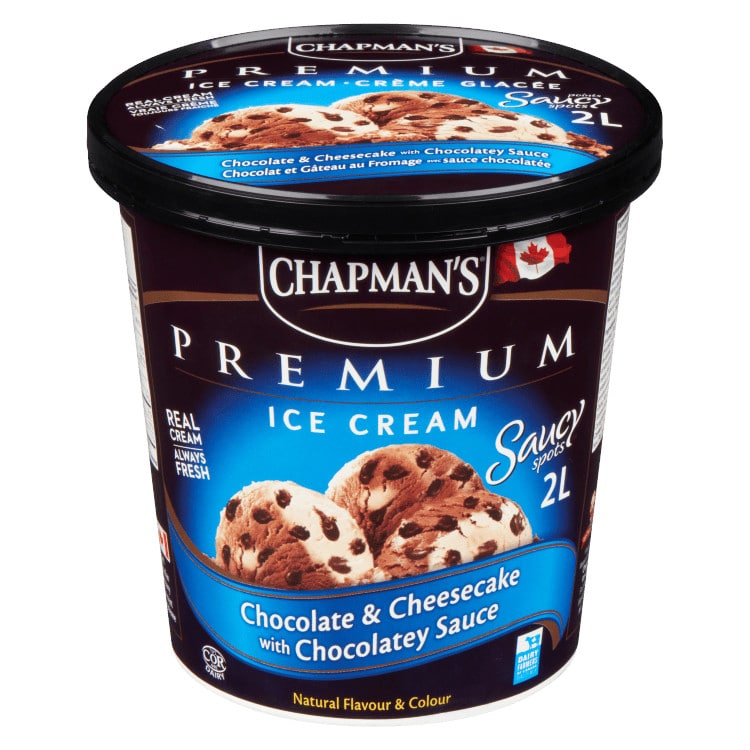
It’s a value I personally align with…and knowing that you’re making a purchase that aligns with your values makes it a lot easier to justify a 2-litre of rocky road.
How to Determine Your Positioning
Determining your positioning is important because a lot of industries are swarming with competitors, and it can be easy to get lost in the quagmire of alternative choices.
Understand Your Competition
Deciding your position is an exercise in understanding your own business and understanding your competitors.
There are some factors to consider:
- How are your competitors positioning themselves & how can you outmaneuver them?
- Which of these 4 pillars is most important in your company? Which ones have you invested in as part of your business?
- Which aspects of your messaging best resonate with your customers, and how do you test them?
It’s essential to be honest with yourself now. Which of the pillars do you genuinely do better than your competitors? What can you say or how can you present your company that shows how you’re focused on one of the pillars? What does your audience seem interested in?
Ask Your Customers
If you’re really not sure, ask your customers what they liked about working with you and run A/B tests with ads using copy that speaks to each pillar. See what resonates best with your audience and build on it as your position.
Use Common Sense
Also, it’s ok to rely a bit on common sense:
- If you’re targeting busy professionals? Focus on convenience.
- Selling luxury cookware? Quality is your driver.
- Working with eco-conscious Gen Z? Lead with your values.
- Want to outcompete pricey brands? Position with price.
Get clear on which motivator matters most, and your messaging will cut through the noise and convert with precision.
Want a Second Opinion?
If you’re not sure which positioning to choose and how to execute it, we can help. Talk to our team, and let’s make a plan for your success.
Apply this to your business
A 45–60 minute working session with a senior marketing leader. No obligation, just a clear next step.